Burns cause skin cells to die. Damaged skin produces a protein called collagen to repair itself. As the skin heals, thickened, discolored areas called scars form. Some scars are temporary and fade over time. Others are permanent. How quickly your burn will heal depends on how severe it is – whether its a first, second or third degree burn.

Keloid and Hypertrophic scars are the most common outcomes in burn and wound care. Furthermore, these patients face troublesome itching, find it difficult to wear pressure garments, have socio-economic, physical and mental outbursts with massive deformities or disabilities and in some cases may even suffer from skin cancer in their scars.
CURRENT SITUATION
Treatment of these permanent scars is lengthy, tedious and complicated. Radiation treatment, laser treatment, skin grafting, medicine injection, freezing of the scar are some of the treatment remedies for the removal of these scars. All treatments have possible side effects. Some may possibly worsen the scar. Scars may return, darken or overly lighten in color. Even after successful flattening or removal, keloids can grow back, sometimes bigger than before. Or you may develop new ones.
Read more about burns & its treatment here.
CASE STUDIES : BURN & WOUND CARE
CASE STUDY

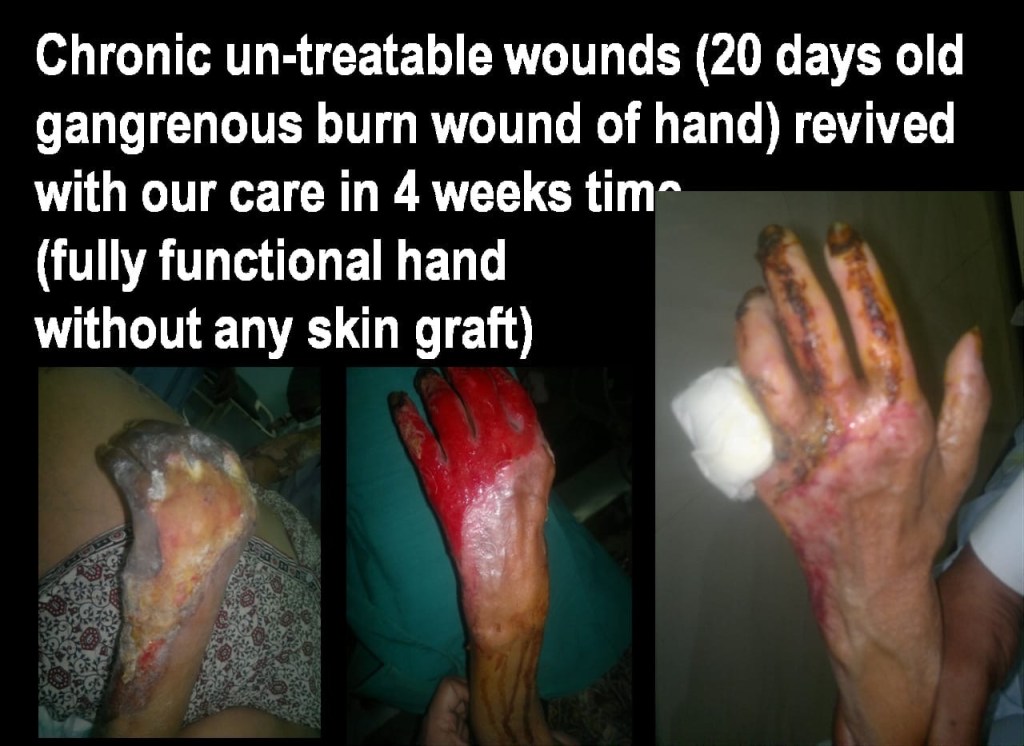

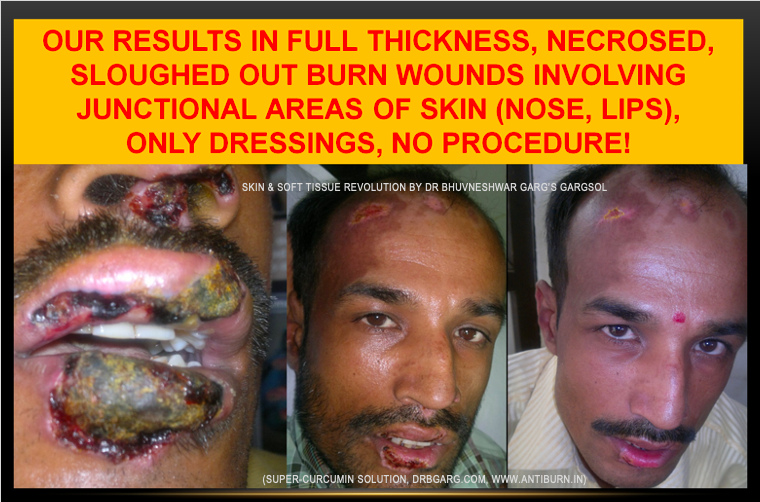


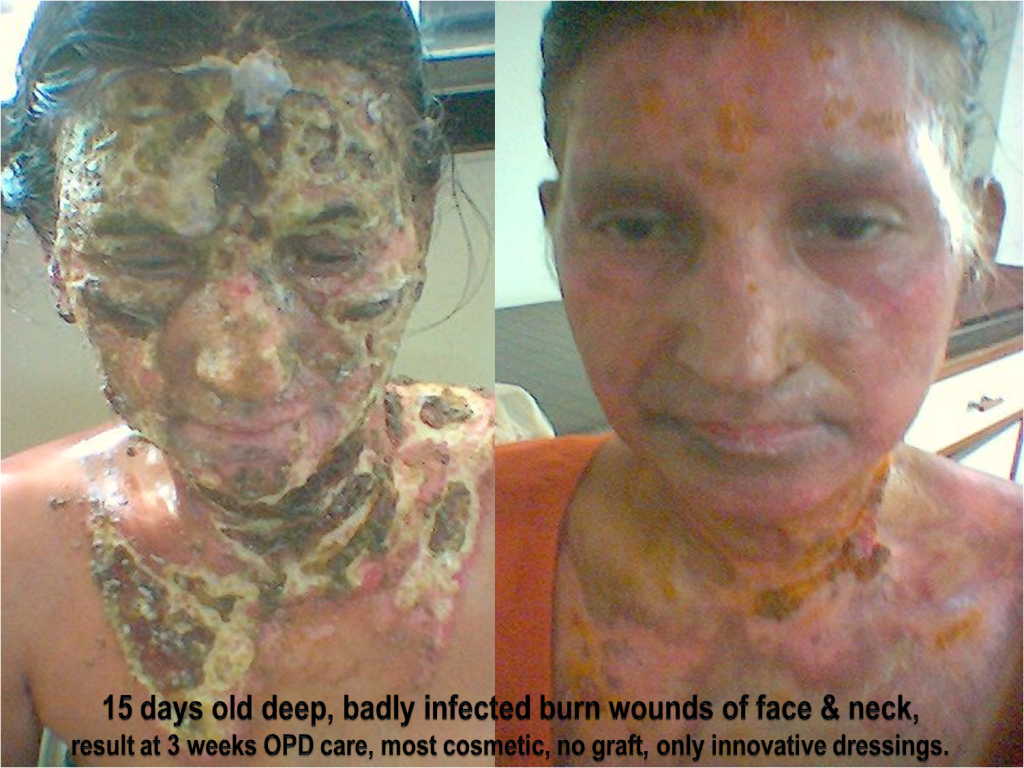

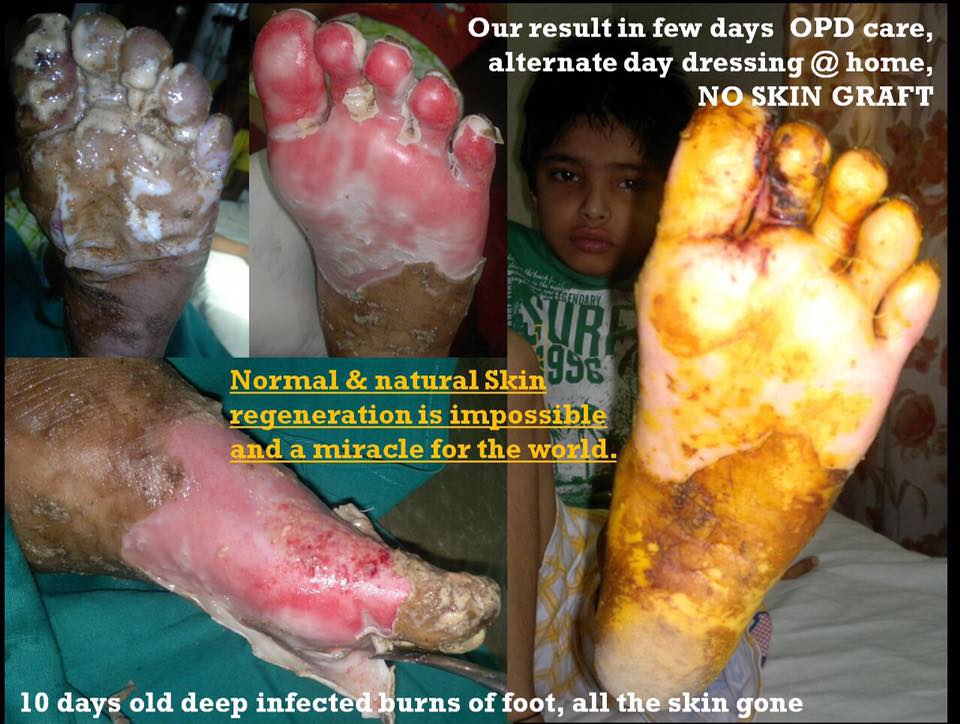
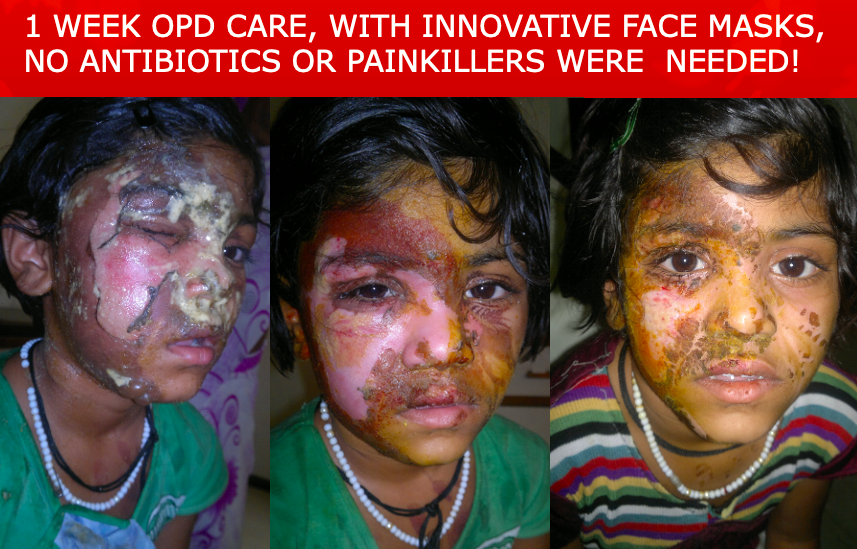
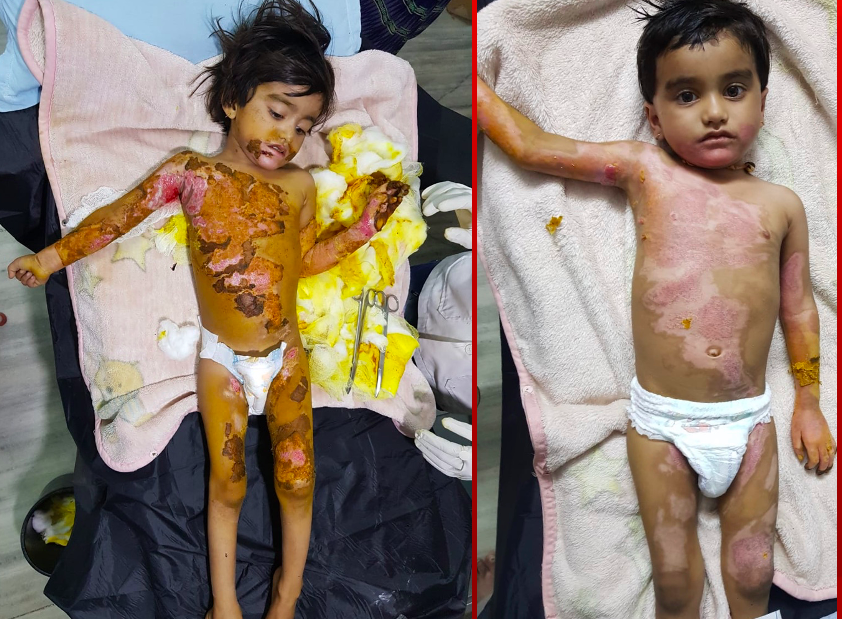

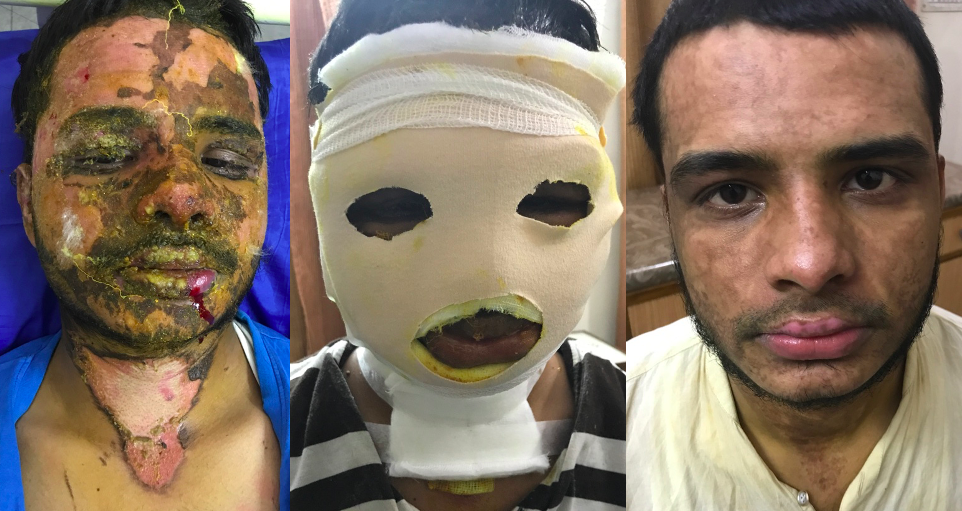
CASE STUDY 13
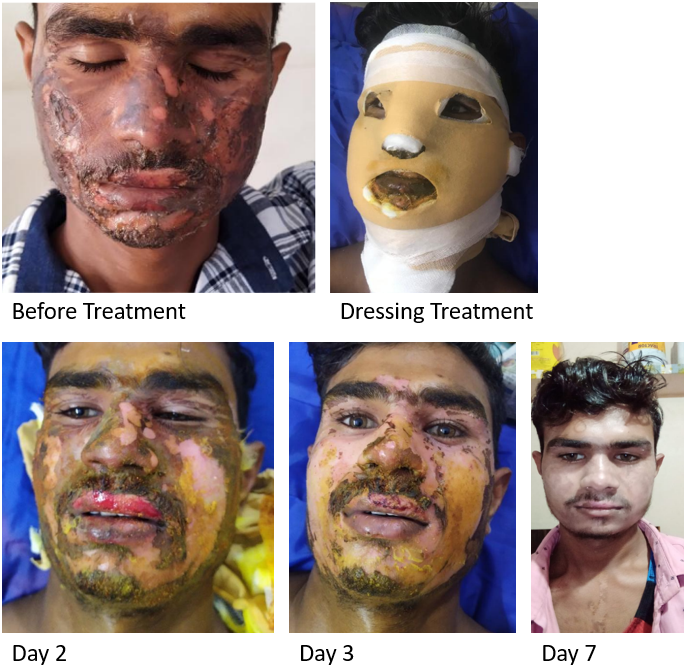
CASE STUDY 14

CASE STUDY 15: Old infected burn wound

CASE STUDY 16: Child with boiling water burn

 Dr Bhuvneshwar Garg